 61b08e7cf2
|
||
|---|---|---|
| .github | ||
| .vite/deps | ||
| backend | ||
| deploy | ||
| docs | ||
| example_zip | ||
| frontend | ||
| scripts | ||
| test | ||
| tools | ||
| wokwi-libs | ||
| .dockerignore | ||
| .gitignore | ||
| .gitmodules | ||
| .markdownlint.json | ||
| CLAUDE.md | ||
| COMMERCIAL_LICENSE.md | ||
| Dockerfile.standalone | ||
| LICENSE | ||
| README.md | ||
| build_qemu_step4.sh | ||
| docker-compose.prod.yml | ||
| docker-compose.yml | ||
| nginx-host-velxio-temp.conf | ||
| nginx-host-velxio.conf | ||
| package-lock.json | ||
| package.json | ||
| start-backend.bat | ||
| start-frontend.bat | ||
| update-wokwi-libs.bat | ||
README.md
Velxio: Arduino & Embedded Board Emulator
Live at velxio.dev
A fully local, open-source multi-board emulator. Write Arduino C++ or Python, compile it, and simulate it with real CPU emulation and 48+ interactive electronic components — all running in your browser.
19 boards · 5 CPU architectures: AVR8 (ATmega / ATtiny), ARM Cortex-M0+ (RP2040), RISC-V RV32IMC/EC (ESP32-C3 / CH32V003), Xtensa LX6/LX7 (ESP32 / ESP32-S3 via QEMU), and ARM Cortex-A53 (Raspberry Pi 3 Linux via QEMU).







Support the Project
Velxio is free and open-source. Building and maintaining a full multi-board emulator takes a lot of time — if it saves you time or you enjoy the project, sponsoring me directly helps keep development going.
| Platform | Link |
|---|---|
| GitHub Sponsors (preferred) | github.com/sponsors/davidmonterocrespo24 |
| PayPal | paypal.me/odoonext |
Your support helps cover server costs, library maintenance, and frees up time to add new boards, components, and features. Thank you!
Try it now
https://velxio.dev — no installation needed. Open the editor, write your sketch, and simulate directly in the browser.
To self-host with Docker (single command):
docker run -d -p 3080:80 ghcr.io/davidmonterocrespo24/velxio:master
Then open http://localhost:3080.
Screenshots

Raspberry Pi Pico simulation — ADC read test with two potentiometers, Serial Monitor showing live output, and compilation console at the bottom.
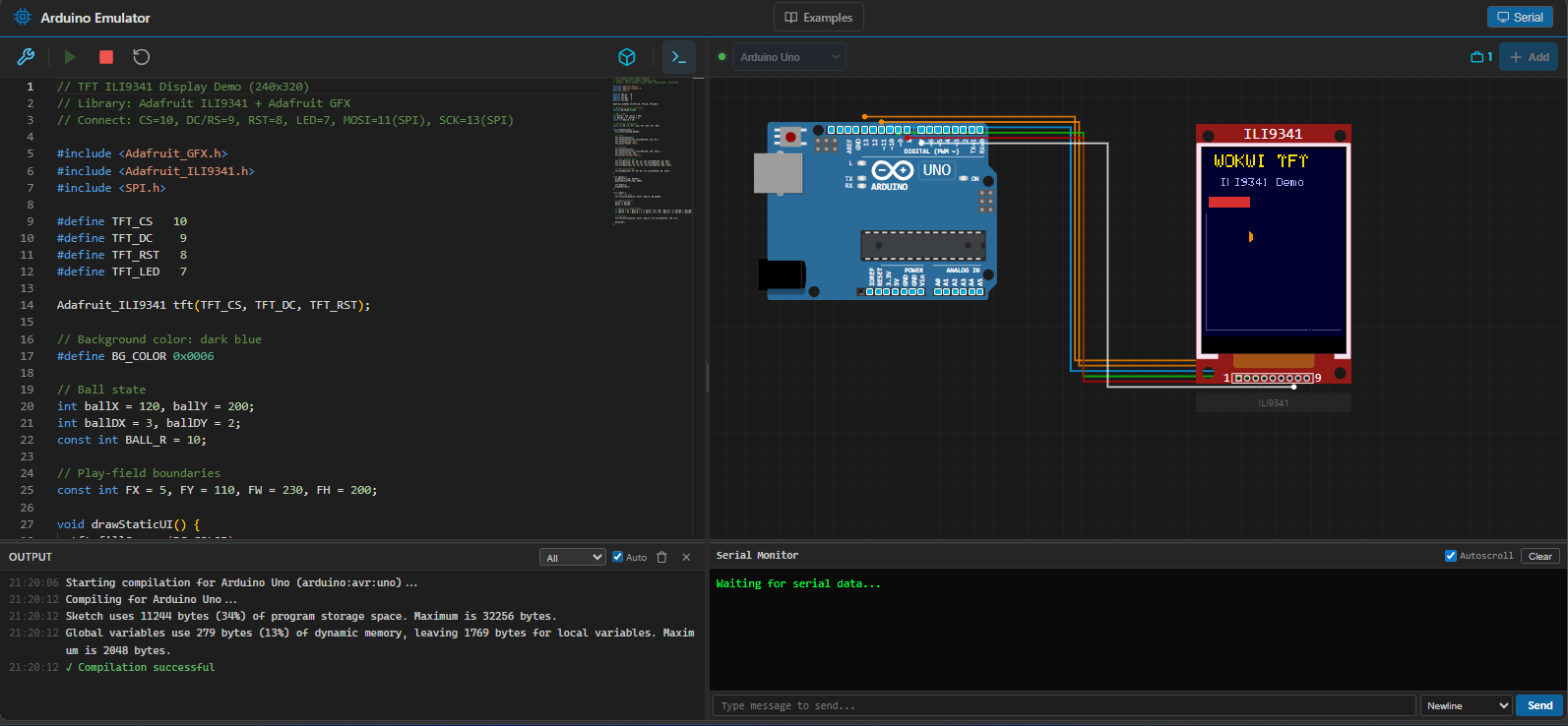
Arduino Uno driving an ILI9341 240×320 TFT display via SPI — rendering a real-time graphics demo using Adafruit_GFX + Adafruit_ILI9341.
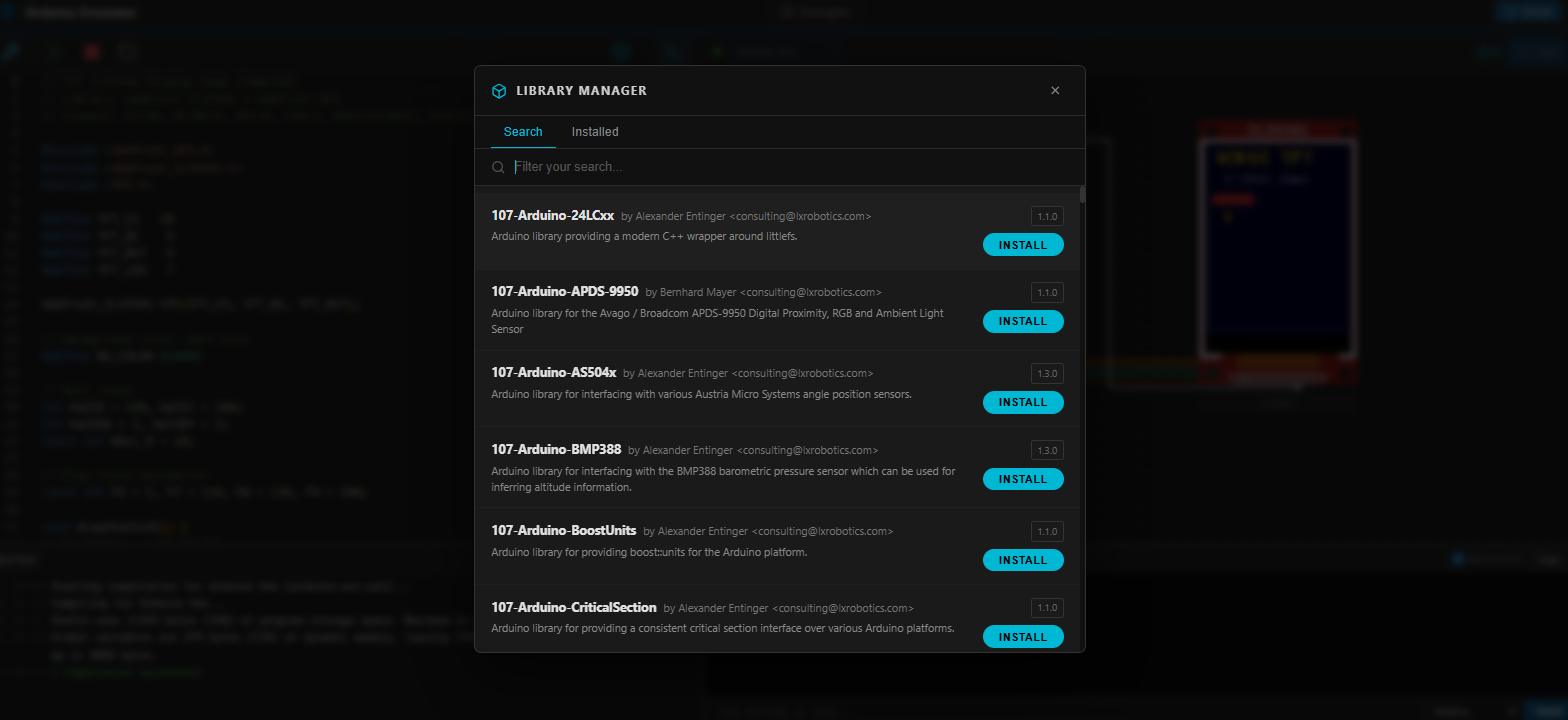
Library Manager loads the full Arduino library index on open — browse and install libraries without typing first.
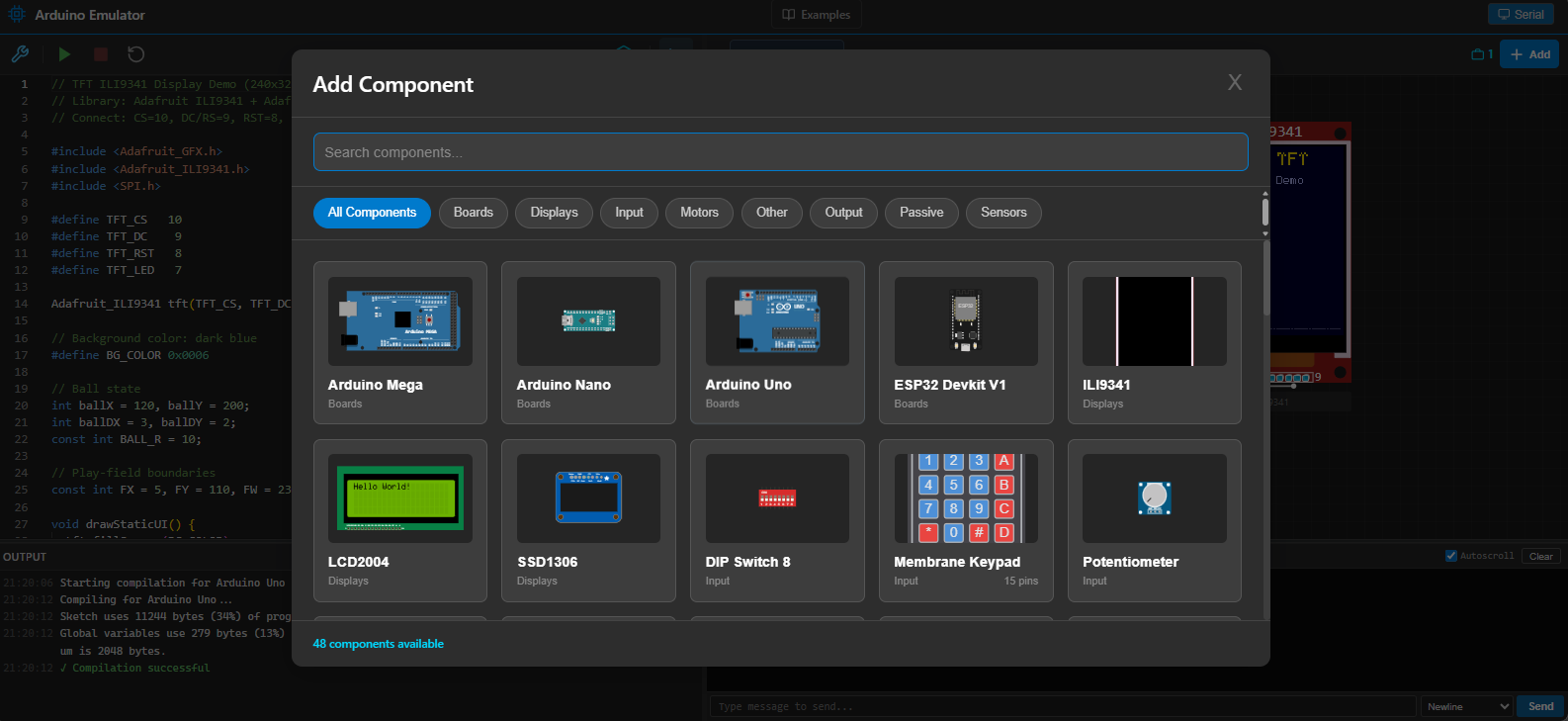
Component Picker showing 48 available components with visual previews, search, and category filters.
Supported Boards
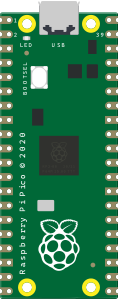 Raspberry Pi Pico |
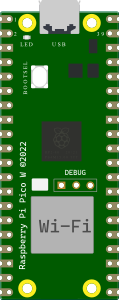 Raspberry Pi Pico W |
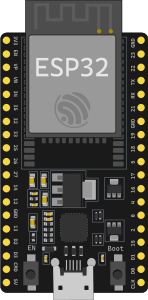 ESP32 DevKit C |
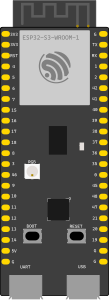 ESP32-S3 |
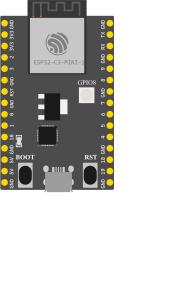 ESP32-C3 |
 Seeed XIAO ESP32-C3 |
 ESP32-C3 SuperMini |
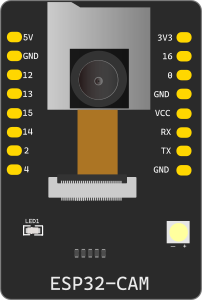 ESP32-CAM |
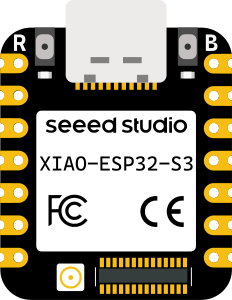 Seeed XIAO ESP32-S3 |
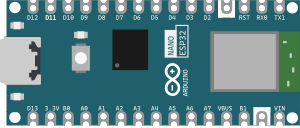 Arduino Nano ESP32 |
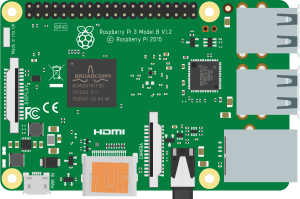 Raspberry Pi 3B |
Arduino Uno · Nano · Mega 2560 ATtiny85 · Leonardo · Pro Mini (AVR8 / ATmega) |
| Board | CPU | Engine | Language |
|---|---|---|---|
| Arduino Uno | ATmega328p @ 16 MHz | avr8js (browser) | C++ (Arduino) |
| Arduino Nano | ATmega328p @ 16 MHz | avr8js (browser) | C++ (Arduino) |
| Arduino Mega 2560 | ATmega2560 @ 16 MHz | avr8js (browser) | C++ (Arduino) |
| ATtiny85 | ATtiny85 @ 8 MHz (int) / 16 MHz (ext) | avr8js (browser) | C++ (Arduino) |
| Arduino Leonardo | ATmega32u4 @ 16 MHz | avr8js (browser) | C++ (Arduino) |
| Arduino Pro Mini | ATmega328p @ 8/16 MHz | avr8js (browser) | C++ (Arduino) |
| Raspberry Pi Pico | RP2040 @ 133 MHz | rp2040js (browser) | C++ (Arduino) |
| Raspberry Pi Pico W | RP2040 @ 133 MHz | rp2040js (browser) | C++ (Arduino) |
| ESP32 DevKit V1 | Xtensa LX6 @ 240 MHz | QEMU lcgamboa (backend) | C++ (Arduino) |
| ESP32 DevKit C V4 | Xtensa LX6 @ 240 MHz | QEMU lcgamboa (backend) | C++ (Arduino) |
| ESP32-S3 | Xtensa LX7 @ 240 MHz | QEMU lcgamboa (backend) | C++ (Arduino) |
| ESP32-CAM | Xtensa LX6 @ 240 MHz | QEMU lcgamboa (backend) | C++ (Arduino) |
| Seeed XIAO ESP32-S3 | Xtensa LX7 @ 240 MHz | QEMU lcgamboa (backend) | C++ (Arduino) |
| Arduino Nano ESP32 | Xtensa LX6 @ 240 MHz | QEMU lcgamboa (backend) | C++ (Arduino) |
| ESP32-C3 DevKit | RISC-V RV32IMC @ 160 MHz | RiscVCore.ts (browser) | C++ (Arduino) |
| Seeed XIAO ESP32-C3 | RISC-V RV32IMC @ 160 MHz | RiscVCore.ts (browser) | C++ (Arduino) |
| ESP32-C3 SuperMini | RISC-V RV32IMC @ 160 MHz | RiscVCore.ts (browser) | C++ (Arduino) |
| CH32V003 | RISC-V RV32EC @ 48 MHz | RiscVCore.ts (browser) | C++ (Arduino) |
| Raspberry Pi 3B | ARM Cortex-A53 @ 1.2 GHz | QEMU raspi3b (backend) | Python |
Features
Code Editing
- Monaco Editor — Full C++ / Python editor with syntax highlighting, autocomplete, minimap, and dark theme
- Multi-file workspace — create, rename, delete, and switch between multiple
.ino/.h/.cpp/.pyfiles - Arduino compilation via
arduino-clibackend — compile sketches to.hex/.binfiles - Compile / Run / Stop / Reset toolbar buttons with status messages
- Compilation console — resizable output panel showing full compiler output, warnings, and errors
Multi-Board Simulation
AVR8 (Arduino Uno / Nano / Mega / ATtiny85 / Leonardo / Pro Mini)
- Real ATmega328p / ATmega2560 / ATmega32u4 / ATtiny85 emulation at native clock speed via avr8js
- Full GPIO — PORTB, PORTC, PORTD (Uno/Nano/Mega); all ATtiny85 ports (PB0–PB5)
- Timer0/Timer1/Timer2 —
millis(),delay(), PWM viaanalogWrite() - USART — full transmit and receive, auto baud-rate detection
- ADC —
analogRead(), voltage injection from potentiometers on canvas - SPI — hardware SPI peripheral (ILI9341, SD card, etc.)
- I2C (TWI) — hardware I2C with virtual device bus
- ATtiny85 — all 6 I/O pins, USI (Wire), Timer0/Timer1, 10-bit ADC; uses
AttinyCore - ~60 FPS simulation loop via
requestAnimationFrame
RP2040 (Raspberry Pi Pico / Pico W)
- Real RP2040 emulation at 133 MHz via rp2040js — ARM Cortex-M0+
- All 30 GPIO pins — input/output, event listeners, pin state injection
- UART0 + UART1 — serial output in Serial Monitor; Serial input from UI
- ADC — 12-bit on GPIO 26–29 (A0–A3) + internal temperature sensor (ch4)
- I2C0 + I2C1 — master mode with virtual device bus (DS1307, TMP102, EEPROM)
- SPI0 + SPI1 — loopback default; custom handler supported
- PWM — available on any GPIO pin
- WFI optimization —
delay()skips ahead in simulation time instead of busy-waiting - Oscilloscope — GPIO transition timestamps at ~8 ns resolution
- Compiled with the earlephilhower arduino-pico core
See docs/RP2040_EMULATION.md for full technical details.
ESP32 / ESP32-S3 (Xtensa QEMU)
- Real Xtensa LX6/LX7 dual-core emulation via lcgamboa/qemu
- Full GPIO — all 40 GPIO pins, direction tracking, state callbacks, GPIO32–39 fix
- UART0/1/2 — multi-UART serial, baud-rate detection
- ADC — 12-bit on all ADC-capable pins (0–3300 mV injection from potentiometers)
- I2C — synchronous bus with virtual device response
- SPI — full-duplex with configurable MISO byte injection
- RMT / NeoPixel — hardware RMT decoder, WS2812 24-bit GRB frame decoding
- LEDC/PWM — 16-channel duty cycle readout, LEDC→GPIO mapping, LED brightness
- WiFi — SLIRP NAT emulation (
WiFi.begin("PICSimLabWifi", "")) - Requires arduino-esp32 2.0.17 (IDF 4.4.x) — only version compatible with lcgamboa WiFi
See docs/ESP32_EMULATION.md for setup and full technical details.
ESP32-C3 / XIAO-C3 / SuperMini / CH32V003 (RISC-V, in-browser)
- RV32IMC emulation in TypeScript — no backend, no QEMU, no WebSocket
- GPIO 0–21 via W1TS/W1TC MMIO registers (ESP32-C3); PB0–PB5 (CH32V003)
- UART0 serial output in Serial Monitor
- CH32V003 — RV32EC core at 48 MHz, 16 KB flash, DIP-8 / SOP package — ultra-compact
- Instant startup — zero latency, works offline
- CI-testable — same TypeScript runs in Vitest
See docs/RISCV_EMULATION.md for full technical details.
Raspberry Pi 3B (QEMU raspi3b)
- Full BCM2837 emulation via
qemu-system-aarch64 -M raspi3b - Boots real Raspberry Pi OS (Trixie) — runs Python scripts directly
- RPi.GPIO shim — drop-in replacement for the GPIO library; sends pin events to the frontend over a text protocol
- GPIO 0–27 — output and input, event detection, PWM (binary state)
- Dual serial — ttyAMA0 for user Serial Monitor, ttyAMA1 for GPIO protocol
- Virtual File System — edit Python scripts in the UI, upload to Pi at boot
- Multi-board serial bridge — Pi ↔ Arduino serial communication on the same canvas
- qcow2 overlay — base SD image never modified; session changes are isolated
See docs/RASPBERRYPI3_EMULATION.md for full technical details.
Serial Monitor
- Live serial output — characters as the sketch/script sends them
- Auto baud-rate detection — reads hardware registers, no manual configuration needed
- Send data to the RX pin from the UI
- Autoscroll with toggle
Component System (48+ Components)
- 48 electronic components from wokwi-elements
- Component picker with search, category filters, and live previews
- Drag-and-drop repositioning on the simulation canvas
- Component rotation in 90° increments
- Property dialog — pin roles, Arduino pin assignment, rotate & delete
Wire System
- Wire creation — click a pin to start, click another pin to connect
- Orthogonal routing — no diagonal paths
- 8 signal-type wire colors: Red (VCC), Black (GND), Blue (Analog), Green (Digital), Purple (PWM), Gold (I2C), Orange (SPI), Cyan (USART)
- Segment-based wire editing — drag segments perpendicular to their orientation
Library Manager
- Browse and install the full Arduino library index directly from the UI
- Live search, installed tab, version display
Auth & Project Persistence
- Email/password and Google OAuth sign-in
- Project save with name, description, and public/private visibility
- Project URL — each project gets a permanent URL at
/project/:id - Sketch files stored on disk per project (accessible from the host via Docker volume)
- User profile at
/:usernameshowing public projects
Example Projects
- Built-in examples including Blink, Traffic Light, Button Control, Fade LED, Serial Hello World, RGB LED, Simon Says, LCD 20×4, and Pi + Arduino serial control
- One-click loading into the editor
Self-Hosting
Option A: Docker (single container, recommended)
# Pull and run
docker run -d \
  --name velxio \
  -p 3080:80 \
  -v $(pwd)/data:/app/data \
  ghcr.io/davidmonterocrespo24/velxio:master
Open http://localhost:3080.
The /app/data volume contains:
velxio.db— SQLite database (users, projects metadata)projects/{id}/— sketch files per project
Option B: Docker Compose
git clone https://github.com/davidmonterocrespo24/velxio.git
cd velxio
cp backend/.env.example backend/.env   # edit as needed
docker compose -f docker-compose.prod.yml up -d
Environment variables (backend/.env)
| Variable | Default | Description |
|---|---|---|
SECRET_KEY |
(required) | JWT signing secret |
DATABASE_URL |
sqlite+aiosqlite:////app/data/velxio.db |
SQLite path |
DATA_DIR |
/app/data |
Directory for project files |
FRONTEND_URL |
http://localhost:5173 |
Used for OAuth redirect |
GOOGLE_CLIENT_ID |
— | Google OAuth client ID |
GOOGLE_CLIENT_SECRET |
— | Google OAuth client secret |
GOOGLE_REDIRECT_URI |
http://localhost:8001/api/auth/google/callback |
Must match Google Console |
COOKIE_SECURE |
false |
Set true when serving over HTTPS |
Option C: Manual Setup
Prerequisites: Node.js 18+, Python 3.12+, arduino-cli
git clone https://github.com/davidmonterocrespo24/velxio.git
cd velxio

# Backend
cd backend
python -m venv venv && source venv/bin/activate  # Windows: venv\Scripts\activate
pip install -r requirements.txt
uvicorn app.main:app --reload --port 8001

# Frontend (new terminal)
cd frontend
npm install
npm run dev
Open http://localhost:5173.
arduino-cli setup (first time):
arduino-cli core update-index
arduino-cli core install arduino:avr

# For Raspberry Pi Pico / Pico W:
arduino-cli config add board_manager.additional_urls \
  https://github.com/earlephilhower/arduino-pico/releases/download/global/package_rp2040_index.json
arduino-cli core install rp2040:rp2040

# For ESP32 / ESP32-S3 / ESP32-C3:
arduino-cli config add board_manager.additional_urls \
  https://raw.githubusercontent.com/espressif/arduino-esp32/gh-pages/package_esp32_index.json
arduino-cli core install esp32:esp32@2.0.17
Project Structure
velxio/
├── frontend/                    # React + Vite + TypeScript
│   └── src/
│       ├── pages/               # LandingPage, EditorPage, UserProfilePage, ...
│       ├── components/          # Editor, simulator canvas, modals, layout
│       ├── simulation/          # AVRSimulator, RP2040Simulator, RiscVCore,
│       │                        # RaspberryPi3Bridge, Esp32Bridge, PinManager
│       ├── store/               # Zustand stores (auth, editor, simulator, project, vfs)
│       └── services/            # API clients
├── backend/                     # FastAPI + Python
│   └── app/
│       ├── api/routes/          # compile, auth, projects, libraries, simulation (ws)
│       ├── models/              # User, Project (SQLAlchemy)
│       ├── services/            # arduino_cli, esp32_worker, qemu_manager, gpio_shim
│       └── core/                # config, security, dependencies
├── wokwi-libs/                  # Local clones of Wokwi repos
│   ├── wokwi-elements/          # Web Components for electronic parts
│   ├── avr8js/                  # AVR8 CPU emulator
│   ├── rp2040js/                # RP2040 emulator
│   └── qemu-lcgamboa/           # QEMU fork for ESP32 Xtensa emulation
├── img/                         # Raspberry Pi 3 boot images (kernel8.img, dtb, OS image)
├── deploy/                      # nginx.conf, entrypoint.sh
├── docs/                        # Technical documentation
├── Dockerfile.standalone        # Single-container production image
├── docker-compose.yml           # Development compose
└── docker-compose.prod.yml      # Production compose
Technologies
| Layer | Stack |
|---|---|
| Frontend | React 19, Vite 7, TypeScript 5.9, Monaco Editor, Zustand, React Router 7 |
| Backend | FastAPI, SQLAlchemy 2.0 async, aiosqlite, uvicorn |
| AVR Simulation | avr8js (ATmega328p / ATmega2560) |
| RP2040 Simulation | rp2040js (ARM Cortex-M0+) |
| RISC-V Simulation | RiscVCore.ts (RV32IMC, custom TypeScript) |
| ESP32 Simulation | QEMU 8.1.3 lcgamboa fork (Xtensa LX6/LX7) |
| Raspberry Pi 3 Simulation | QEMU 8.1.3 (qemu-system-aarch64 -M raspi3b) + Raspberry Pi OS Trixie |
| UI Components | wokwi-elements (Web Components) |
| Compiler | arduino-cli (subprocess) |
| Auth | JWT (httpOnly cookie), Google OAuth 2.0 |
| Persistence | SQLite + disk volume (/app/data/projects/{id}/) |
| Deploy | Docker, nginx, GitHub Actions → GHCR + Docker Hub |
Documentation
| Topic | Document |
|---|---|
| Getting Started | docs/getting-started.md |
| Architecture Overview | docs/ARCHITECTURE.md |
| Emulator Architecture | docs/emulator.md |
| Wokwi Libraries Integration | docs/WOKWI_LIBS.md |
| RP2040 Emulation (Pico) | docs/RP2040_EMULATION.md |
| Raspberry Pi 3 Emulation | docs/RASPBERRYPI3_EMULATION.md |
| ESP32 Emulation (Xtensa) | docs/ESP32_EMULATION.md |
| RISC-V Emulation (ESP32-C3) | docs/RISCV_EMULATION.md |
| Components Reference | docs/components.md |
| MCP Server | docs/MCP.md |
| Roadmap | docs/roadmap.md |
Troubleshooting
arduino-cli: command not found — install arduino-cli and add to PATH.
LED doesn't blink — check port listeners in browser console; verify pin mapping in the component property dialog.
Serial Monitor shows nothing — ensure Serial.begin() is called before Serial.print().
ESP32 not starting — verify libqemu-xtensa.dll (Windows) or libqemu-xtensa.so (Linux) is present in backend/app/services/.
Pi 3 takes too long to boot — QEMU needs 2–5 seconds to initialize; the "booting" status in the UI is expected.
Compilation errors — check the compilation console; verify the correct core is installed for the selected board.
Community
Join the Discord server to ask questions, share projects, and follow updates:
Contributing
Suggestions, bug reports, and pull requests are welcome at github.com/davidmonterocrespo24/velxio.
If you'd like to support the project financially, see the Support the Project section above or sponsor directly at github.com/sponsors/davidmonterocrespo24.
Note: All contributors must sign a Contributor License Agreement (CLA) so that the dual-licensing model remains valid. A CLA check runs automatically on pull requests.
License
Velxio uses a dual-licensing model:
| Use case | License | Cost |
|---|---|---|
| Personal, educational, open-source (AGPLv3 compliant) | AGPLv3 | Free |
| Proprietary / closed-source product or SaaS | Commercial License | Paid |
The AGPLv3 is a certified Open Source license. It is free for all uses — including commercial — as long as any modifications or network-accessible deployments make their source code available under the same license. Companies that cannot comply with that requirement can purchase a Commercial License.
For commercial licensing inquiries: davidmonterocrespo24@gmail.com
See LICENSE and COMMERCIAL_LICENSE.md for full terms.
References
- Wokwi — Inspiration
- avr8js — AVR8 emulator
- wokwi-elements — Electronic web components
- rp2040js — RP2040 emulator
- lcgamboa/qemu — QEMU fork for ESP32 Xtensa emulation
- arduino-cli — Arduino compiler
- Monaco Editor — Code editor
- QEMU — Machine emulator (Raspberry Pi 3)